Best Time for a Boat Tour in Cozumel: Month-by-Month Guide

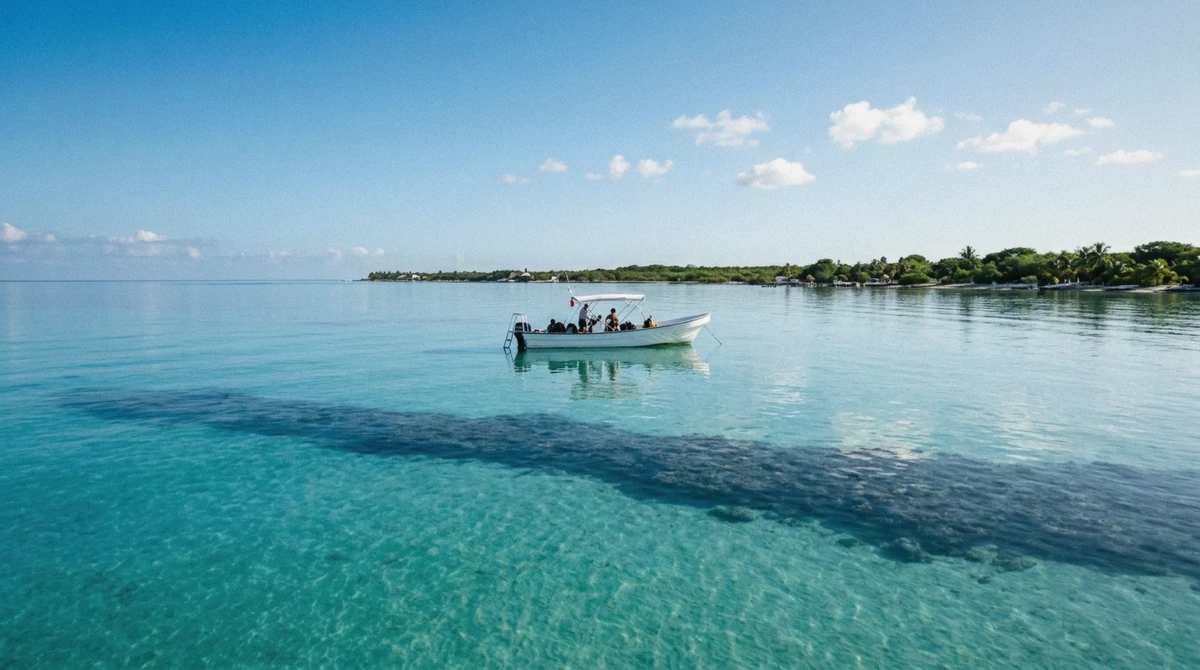
The best time for a boat tour in Cozumel is November through April, when the dry season keeps the water calm and visibility regularly passes 30 metres between December and March. May through October runs warmer and wetter, and September is the one month I'd actively steer most visitors away from, since it sits at the peak of both the rainy season and the Atlantic hurricane season. None of that means the water is off-limits outside the dry months, and boats run here every week of the year. Below is the real month-by-month breakdown, the water temperature and rainfall numbers behind it, and the honest answer on the worst time to book. Compare the island's reef and catamaran boats once you've picked your window.
Quick answer
The best time for a boat tour in Cozumel is November through April, when the dry season brings calm seas and visibility that regularly passes 30 metres between December and March. May through October runs warmer and wetter, and September, the wettest month and the peak of hurricane season, is the one stretch worth avoiding if your dates are flexible.
Key takeaways
- Best window: November through April, calmest water and the clearest visibility of the year
- Runner-up: May through June, warm water and thinner crowds before the wettest months set in
- Month to avoid: September, the wettest month on record here and the peak of hurricane season
- Rain rarely stops these boats; wind does. A hard north wind called a norte can shut the port entirely
- Sargassum lands on the exposed east coast; the leeward west coast, where every boat here runs, stays clear
- Morning departures beat afternoon ones in any month, since the wind builds through the day
Seasons at a Glance
Read the Verdict column first if you're short on time; the two tables below give the numbers behind it.
| Month | Conditions | Weather | Crowds | Verdict |
|---|---|---|---|---|
| January | Cool, clear, occasional norte | Dry | High, holiday crowds | Very good, book early |
| February | Clear, calmest of the year | Dry | High | Best visibility |
| March | Clear, some late nortes | Dry | High, spring break | Best visibility, busy |
| April | Warming, still calm | Dry | Moderate | Best overall |
| May | Warm, water clarity easing | Turning wet | Moderate | Good value |
| June | Warm, first real rains | Wet | Moderate | Good, afternoon storms |
| July | Warm, regular showers | Wet | High, summer travel | Fine, expect rain |
| August | Warm, wettest approaching | Wet | Moderate | Fine, book flexible |
| September | Warmest, heaviest rain | Wet, hurricane peak | Low | Avoid if flexible |
| October | Warm, rain easing late | Wet | Low | Improving, watch forecasts |
| November | Cooling, season turning | Dry begins | Low, thin crowds | Underrated |
| December | Cool, clear, holiday rush | Dry | High, holidays | Very good, book early |
No two adjacent months on this table share a verdict, which is the honest picture: conditions shift steadily from the calm, clear dry months into the warmer, wetter back half of the year and then swing back again in November.
Sea temperature and rainfall by month, the numbers behind the table above:
| Month | Sea Temperature | Rainfall | Season |
|---|---|---|---|
| January | 26°C | 65 mm | Dry |
| February | 26°C | 45 mm | Dry |
| March | 26°C | 40 mm | Dry |
| April | 27°C | 35 mm | Dry |
| May | 29°C | 95 mm | Wet |
| June | 29°C | 175 mm | Wet |
| July | 29°C | 140 mm | Wet |
| August | 29°C | 150 mm | Wet |
| September | 29°C | 230 mm | Wet |
| October | 28°C | 200 mm | Wet |
| November | 27°C | 110 mm | Dry |
| December | 26°C | 85 mm | Dry |
By the numbers, March is the driest month at 40 millimetres of typical rainfall, September is the wettest at 230, and the water is warmest from May through September at 29°C against a cooler 26°C from December through March. Figures are typical averages from Mexican climate records; check the current forecast close to your dates rather than treating any single year as guaranteed to match.
Best Season by Traveler Type
If you want the clearest water for photos or video
book December through March, when visibility regularly passes 30 metres
If you're bringing kids or a nervous first-time snorkeler
aim for April through June, calm water without the peak holiday crowds
If this is your first time on the water in Cozumel and you want the safest bet against a cancelled day
pick any month outside September and book a morning departure
If you're hoping to see spotted eagle rays passing through
May through July is the window they're most often reported, even though the water is warming past its clearest
If budget matters more than perfect conditions
June or late October offer decent water with thinner crowds and softer demand than the December to March peak
Dry Season, Wet Season: What's Actually Different
November to April: Clearest Water, Highest Demand
The dry season is the calmest stretch of the year on this coast, and December through March is when visibility most reliably passes 30 metres. Water sits around 26°C, cool enough that some people wear a rash guard for warmth rather than just sun protection. The trade-off is demand: this is also the busiest window for cruise arrivals and holiday travel, so the better-reviewed boats fill morning slots first.
Departures on the glass-bottom 3-reef trip run daily through this stretch and are worth booking a few days ahead in January and around the winter holidays.
- Water: 26–27°C
- Rain: lightest of the year, 35–65 mm per month
- Crowds: highest of the year, especially around the holidays and spring break
- Book ahead, especially for morning slots in December, January and March
May to June: Warm Water, Thinning Crowds
This is the honest runner-up window. The water has warmed past its clearest but still holds decent visibility, the worst of the rain hasn't arrived yet, and crowds are noticeably lighter than the winter peak. It's also when spotted eagle rays are most often reported passing through the deeper sites on the sunset catamaran route.
- Water: 29°C, noticeably warmer than winter
- Rain: 95–175 mm, rising through June
- Crowds: moderate, a real step down from the winter peak
- Booking lead time: a few days is usually enough outside holiday weeks
July to August: Warm and Wet, Still Workable
Regular afternoon showers are normal here through the summer, and they rarely cancel a morning boat outright; the pattern on this coast is a clear morning followed by build-up later in the day. This is where a morning departure earns its keep more than in any other season.
- Water: 29°C, the warmest stretch of the year
- Rain: 140–150 mm, regular but usually brief
- Crowds: moderate to high with summer family travel
- Best strategy: book the earliest slot available and treat afternoon rain as expected, not a red flag
September to October: Wettest Months, Hurricane Season Peak
September averages 230 millimetres of rain, the wettest month on this coast, and sits at the peak of the Atlantic hurricane season, which runs June 1 through November 30. October is only slightly better at 200 millimetres. Boats absolutely still run on calm days in both months, but this is the stretch where I'd tell a flexible traveler to pick different dates if they can.
- Water: 28–29°C, still warm
- Rain: heaviest of the year, 200–230 mm
- Crowds: lowest of the year, and prices soften with them
- If you must travel now: book with free cancellation and keep your plans loose
What Actually Affects Conditions
Most people assume rain is what ruins a day on the water here. It usually isn't. Wind is the real driver of whether a boat trip is worth taking: a calm day with a light shower is still a good snorkel day, while a windy day with clear skies can churn up the surface and cloud the shallows. The dry season earns its reputation not because it doesn't rain, but because the wind sits lower and steadier through those months.
The counterintuitive exception is the norte, a hard north wind that can blow through between January and March, squarely inside the supposedly calm dry season. A strong one gets the harbour master to close the port to recreational boats entirely, and that call is final and not the operator's to override. It's rare enough not to define the season, and I explain exactly what happens when it hits in what happens if your boat tour is cancelled for weather, so I won't repeat the mechanics here.
Sargassum: What to Actually Expect
Sargassum worries more visitors than it should. The seaweed lands on Cozumel's exposed east coast, the wild side of the island facing open ocean, where nobody snorkels and no boat on this page departs from. The leeward west coast, sheltered by the island itself and home to every reef these boats work, from Villa Blanca to Colombia, stays essentially clear of it through the sargassum-heavy months elsewhere in the region.
If you've read warnings about sargassum ruining a Caribbean trip, none of that applies to the water these boats actually sail.
Best Time of Day
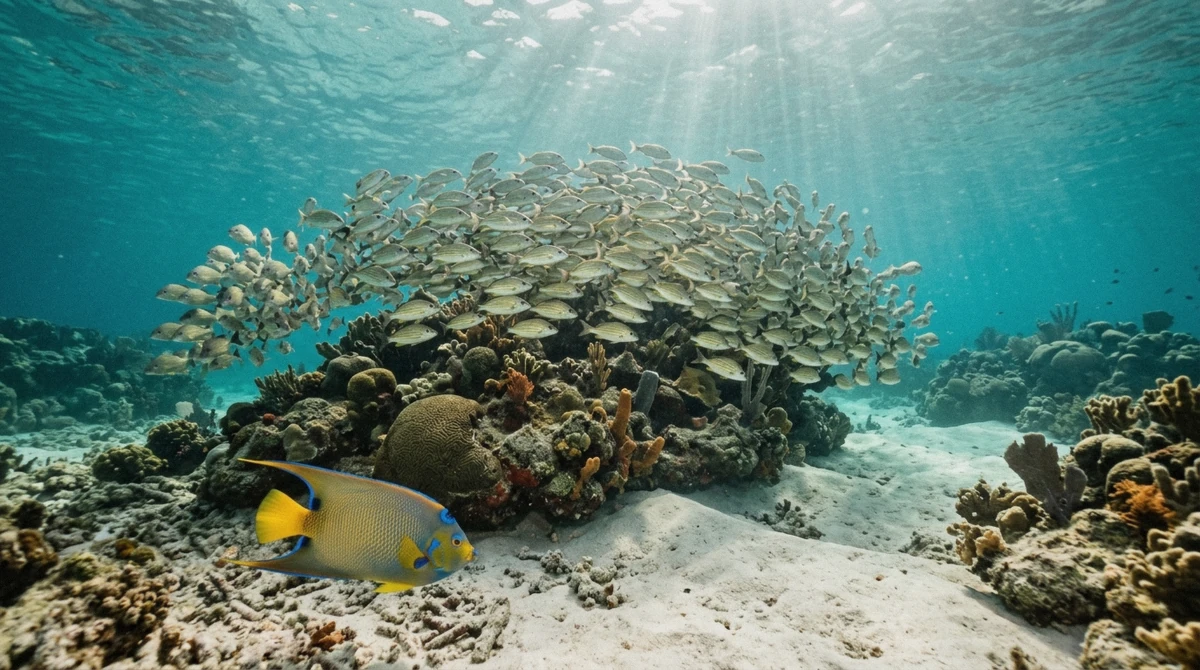
Morning beats afternoon in every month of the year on this coast, no exceptions. Water sits flatter in the early hours, and the afternoon wind that builds through the day is what actually stirs the surface and softens visibility, more than the season itself does. If you can only pick one lever to improve your trip regardless of what month you're traveling, pick the earliest departure time offered.
Crowds and Prices Through the Year
The predictable crowd spikes here follow the cruise calendar and the holidays more than the calendar season. Days with three or four ships in port fill the morning slots on the better-reviewed boats first, and that pattern holds regardless of month, though it compounds with the already-busy December through March window. Spring break weeks in March add a second, distinct crowd on top of the usual dry-season demand.
September and October, by contrast, are the quietest and least expensive stretch of the year, for the honest reason that fewer people choose to travel during the wettest months.
What If the Weather Turns?
A short shower rarely cancels anything here; boats keep running through the kind of rain that passes in twenty minutes. What actually stops a trip is wind and sea state, most often a norte between January and March or a genuine storm system during hurricane season. When that happens, operators reschedule or refund rather than sail into it.
The full mechanics, who makes that call, how far ahead you'll know, and what your options are on the day, live in what happens if your boat tour is cancelled for weather. If a cancellation on your travel dates would genuinely wreck your trip, read that page before you book.
The Worst Time to Visit, Honestly
September is the honest answer to the worst-time question. It's the wettest month on record here at 230 millimetres of typical rainfall, and it sits at the peak of the Atlantic hurricane season, which runs from June through the end of November. Crowds are thinnest and prices softest precisely because most travelers already avoid it.
It still works for a specific traveler: someone chasing rock-bottom prices, comfortable with a loose, flexible itinerary, and willing to accept that a day or two might get rescheduled. Anyone locked into a tight, non-refundable schedule should pick a different month.
So, When Should You Go?
Book November through April for the calmest, clearest water this coast offers, with December through March as the sharpest visibility window if photos matter to you. If crowds or price are the bigger concern, May through June and late October give you decent conditions without the winter rush. Skip September if your dates are flexible at all; it's the wettest month and the peak of hurricane season in the same six weeks.
Frequently Asked Questions
What is the best month for a Cozumel boat tour?
February and March typically offer the clearest water of the year, with visibility regularly passing 30 metres, though April gives nearly as good conditions with smaller crowds.
What is the worst time to visit Cozumel for a boat tour?
September, honestly. It's the wettest month on record here and sits at the peak of the Atlantic hurricane season. Boats still run on calm days, but flexible travelers do better picking a different month.
How is the weather in Cozumel in December and January?
Cool and dry by local standards, with sea temperatures around 26°C and typical rainfall of 65 to 85 millimetres. Both months sit inside the calm dry season, though a hard north wind, a norte, can occasionally close the port for a day or two.
Which is better for a boat tour, morning or afternoon?
Morning, in every month of the year. The wind builds through the day on this coast, so early departures see flatter water and better visibility than afternoon ones regardless of season.
How far in advance should I book a Cozumel boat tour?
A few days ahead is usually enough outside peak weeks. During December through March and around spring break, book at least a week out if you want a specific morning slot on the better-reviewed boats.
When does sargassum affect Cozumel boat tours?
It doesn't, for the boats on this page. Sargassum lands on the exposed east coast; every reef and catamaran route here runs on the sheltered leeward west coast, which stays essentially clear of it year-round.
I've watched this coast through every month of the calendar since 2011, and the honest pattern holds up every year: calm, clear water from November through April, a warm and workable middle stretch through the summer, and one genuinely soft patch in September that's easy enough to just plan around.